Are you eyeing a brand-new home in Pacific Highlands Ranch but unsure where to start? You are not alone. New construction comes with unique steps, deadlines, and decisions that feel different from a resale purchase. In this guide, you will get a clear, step-by-step checklist tailored to Pacific Highlands Ranch so you can compare lots, manage design choices, track construction milestones, and protect your investment. Let’s dive in.
Why choose Pacific Highlands Ranch
Pacific Highlands Ranch is a master-planned community in North San Diego’s 92130. Many buyers here want newer homes, modern floor plans, and larger yards with access to parks and open space. Builders typically release homes in phases, and pricing can shift with each release.
As you evaluate options, confirm the details that shape day-to-day living and long-term value:
- Proximity to major roads, open space edges, and planned development parcels.
- HOA rules, design review, monthly fees, and any exterior upgrade restrictions.
- Whether the lot is in a special tax district such as Mello-Roos or a Community Facilities District, plus the estimated annual cost.
- Utility providers and what is included for hookups and service transfers.
Your new-construction checklist
Pre-purchase research
- Get preapproved and choose the right financing type for your situation. Ask if you need a standard mortgage for an inventory home, a construction-to-permanent loan for a custom build, or bridge financing if you must sell first.
- Research builders with a track record in Pacific Highlands Ranch or nearby 92130 communities. Request model tours and ask for references from recent buyers.
- Check lot status and release timing. Clarify if it is an inventory home, a spec home, or a build from the ground up, and ask about nearby parcels that could impact views or noise.
- Estimate your all-in costs early. Include base price, lot premium, design options, taxes, HOA, special assessments, closing costs, and landscaping if it is not included.
Contract and deposits
- Review the builder’s purchase agreement and all contingencies. Confirm financing and inspection rights, and what happens if timelines shift.
- Understand the deposit schedule and refund rules. Many builders use staged, partially nonrefundable deposits after certain points. Get it in writing.
- Ask if the price is fixed or subject to escalation for material and labor cost changes. If there is an escalation clause, request specifics.
- Clarify incentives and lender requirements. Builders may offer credits when you use their preferred lender. Confirm how outside lenders affect incentives.
Design center and selections
- Know your selection deadlines. Ask when you must finalize cabinets, counters, flooring, lighting, electrical, and low-voltage packages.
- Get written allowances for each category and the overage policy. Keep a simple spreadsheet so you do not lose track of costs.
- Understand the change-order process. Confirm pricing, cutoff dates, and whether a change requires structural or city approvals.
- Confirm that your agent and any inspector can attend design meetings. Request itemized change-order documents for your records.
Construction and inspections
- Ask for a written build schedule with milestones such as foundation, framing, rough-in, drywall, finishes, and final. Timelines vary by lot and phase.
- Arrange independent inspections at key stages if allowed. Pre-pour, framing and rough-in, pre-drywall, and final are common checkpoints that help catch issues early.
- Establish a single point of contact and a clear communication plan. Request an online portal for updates, approvals, and documents, and keep copies of all change orders.
Final walk, closing, and move-in
- Complete a detailed pre-closing walk and document every punchlist item. Many builders also schedule an 11-month warranty walk so you can capture items that appear after move-in.
- Confirm that all required permits are closed and the Certificate of Occupancy is issued by the City before closing.
- Set up utility transfers, mailbox details, irrigation controls, and your HOA orientation. Make sure you know how to submit service requests.
- Register your builder warranty and any third-party warranties for appliances, HVAC, and solar.
California and local specifics to verify
Permits and final sign-offs
Before closing, confirm that the required City of San Diego permits are pulled, inspections are passed, and the Certificate of Occupancy is issued. Ask for permit numbers or documentation so you can verify status.
Energy standards and solar
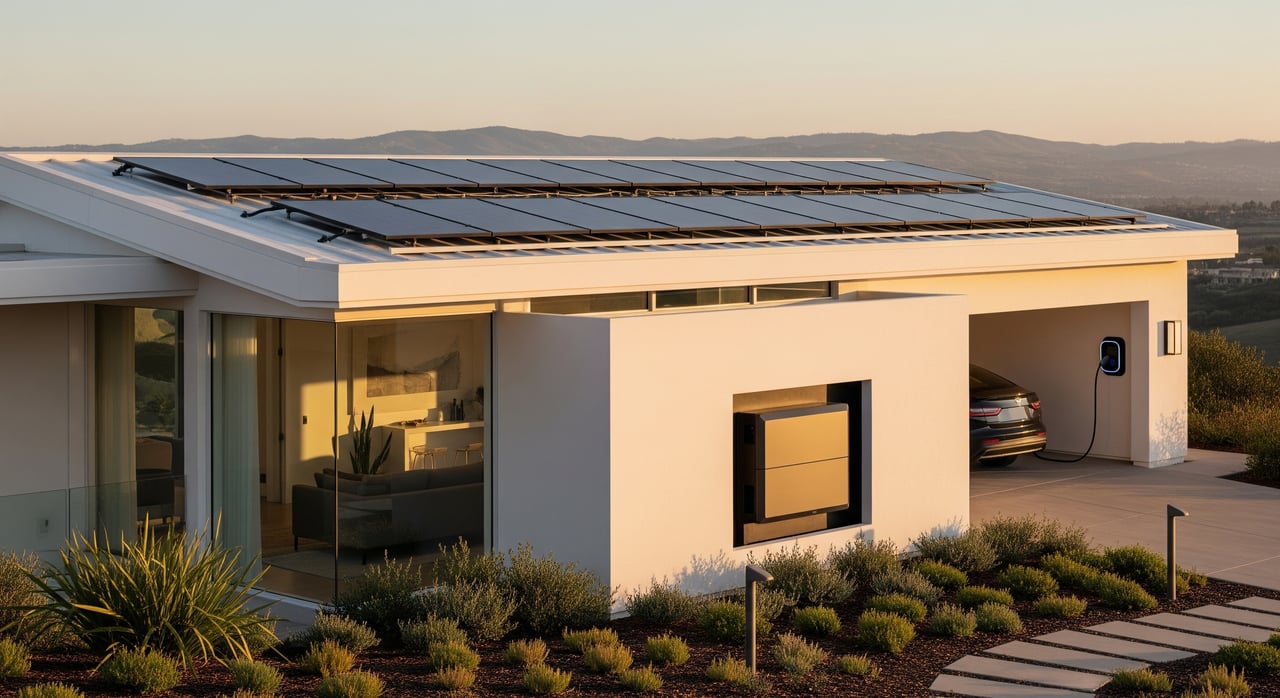
California building code requires energy-efficiency standards for new homes, and most new single-family homes built since 2020 include rooftop solar. Ask whether solar, EV pre-wiring, and high-efficiency systems are included or optional for your specific plan.
Taxes, HOA, and special assessments
In newer communities, many lots are within special tax districts. Confirm whether your lot has Mello-Roos or Community Facilities District assessments and the estimated annual amount. Review HOA CC&Rs, design rules, budgets, and reserve studies so you understand monthly fees and any upcoming assessments.
Financing and appraisals
For inventory or spec homes, conventional, FHA, or VA financing may be available depending on the community and lender. If you are building from scratch, a construction-to-permanent loan may be required. Ask your lender how appraisals treat design upgrades, since some options may not fully appraise relative to comparable sales.
Questions to ask the builder
- Pricing and inclusions
- Is the displayed price base only, and what is included by default? Are appliances, landscaping, window coverings, and garage openers included or optional?
- Is the price fixed at contract, or is there a material and labor escalation clause?
- Lot and timing
- What is the lot premium and what factors drive it? Are there plans for adjacent parcels that could affect views, noise, or privacy?
- What is the estimated build timeline and move-in window for this phase?
- Selections and allowances
- When are selections due, and what are the allowances by category? How are overages billed?
- If a product is backordered, what substitutions are allowed and how are costs handled?
- Inspections and warranty
- Can an independent inspector access the site at key stages? What is the warranty length and claim process?
- HOA and assessments
- What are the HOA fees and what do they cover? Are there any pending special assessments?
- Is the lot in a Mello-Roos or Community Facilities District, and what is the estimated annual payment?
- Energy and futureproofing
- Is solar included, and how is it configured? Is the home wired for EV charging and heat pump readiness?
- Deposits and remedies
- What is the deposit schedule, when is money refundable, and what happens if deadlines are missed by either party?
Warranty and inspections you should expect
Most builder programs offer a structure similar to 1 year for workmanship and materials, 2 years for major systems, and 10 years for structural elements. Exact coverage can vary by builder, so get it in writing. Ask how to submit claims, typical response times, and whether there is a mediation or arbitration process.
Independent inspections still matter with new homes. If access is allowed, schedule inspections at the lot and grading stage, pre-pour, framing and rough-in, pre-drywall, and final. Early eyes often prevent more expensive fixes later.
How an agent adds leverage in PHR
Buying new construction involves many moving parts. A skilled local agent can give you leverage and peace of mind by:
- Reviewing contracts and flagging unfavorable terms. Your agent can push for clear language on escalation, allowances, deposits, and timelines.
- Using market knowledge to evaluate pricing. Recent lot releases and comps help you assess premiums and options pricing.
- Supporting design decisions and documentation. Itemized budgets and complete change orders help you avoid surprises.
- Coordinating independent inspections and follow-up. Inspection scheduling and punchlist tracking keeps quality and timing on track.
- Managing calendars and disclosures. Deadlines for deposits, financing, permits, HOA docs, and warranty items stay organized from contract to closing.
Timeline at a glance
- Inventory or spec homes: often a few weeks to several months depending on completion and lender timelines.
- Production new builds: commonly 6 to 12 months from contract to delivery depending on phase and selections.
- Custom builds: often a year or longer due to design scope and approvals.
Use these ranges as planning guides and verify timelines with the builder for your lot and phase.
Common pitfalls to avoid
- Skipping independent inspections because the home is new.
- Underestimating all-in costs by ignoring lot premiums, design upgrades, special assessments, and landscaping.
- Missing selection deadlines and change-order cutoffs, which can introduce delays and added costs.
- Assuming all upgrades will be fully reflected in the appraisal and loan amount.
- Closing before confirming permits are finalized and the Certificate of Occupancy is issued.
Ready to explore new construction in Pacific Highlands Ranch with a plan that protects your time and budget? Connect with The Jaiswal Group to map your path from lot release to move-in with local expertise on your side.
FAQs
How long does new construction take in Pacific Highlands Ranch?
- Inventory or spec homes can close in a few weeks to several months, production builds commonly take 6 to 12 months, and custom homes can take a year or more depending on scope and phase.
Are builder deposits refundable in Pacific Highlands Ranch?
- It depends on the builder’s contract. Many use staged deposits that become nonrefundable after certain points, so confirm refund provisions in writing before you sign.
Should I hire my own inspector for a new home in PHR?
- Yes. Independent inspections at framing or rough-in and again before the final walk help catch issues early even when a builder warranty is in place.
What does a typical builder warranty cover in San Diego?
- Many programs follow a structure similar to 1 year for workmanship and materials, 2 years for major systems, and 10 years for structural elements, but you should verify exact terms in writing.
What is a lot premium in PHR and can I negotiate it?
- A lot premium is an added price for features such as views, corner location, or larger yard. It can be negotiable depending on phase and market conditions.
Are there Mello-Roos or special assessments in Pacific Highlands Ranch?
- Many newer communities have special tax districts. Verify for each lot and include the estimated annual cost when comparing monthly payments.
Will my lender finance all my design upgrades on a new home?
- Lenders base loans on appraised value. If options push the price above comparable sales, you may need to cover some upgrades out of pocket.